Working: 08:00 - 17:00

Sustainability

04
Research
Sustainability
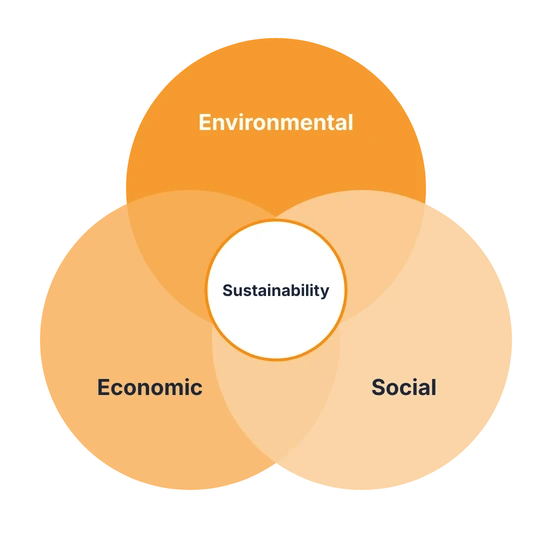
Sustainability is considered to be the effort to cover our current needs without affecting the ability of future generations to cover their own ones. Sustainability is ensured by economy, equality and environment harmony and include environmental, economic and social dimensions of whole life stages of a product / process.
The environmental dimension examines the impact of a fuel on natural resources and ecosystems across its whole life cycle.
Greenhouse gas emissions and climate change
Use of land, water and other natural resources
The economic dimension evaluates the cost-effectiveness and the long-term viability of fuel production processes.
Production costs and process efficiency
Long-term viability of the value chain
The social dimension considers the effects of fuel production on people, workers and local communities.
Employment and local development
Health and safety of workers and communities

Life Cycle Assessment
Fuel Production Sustainability
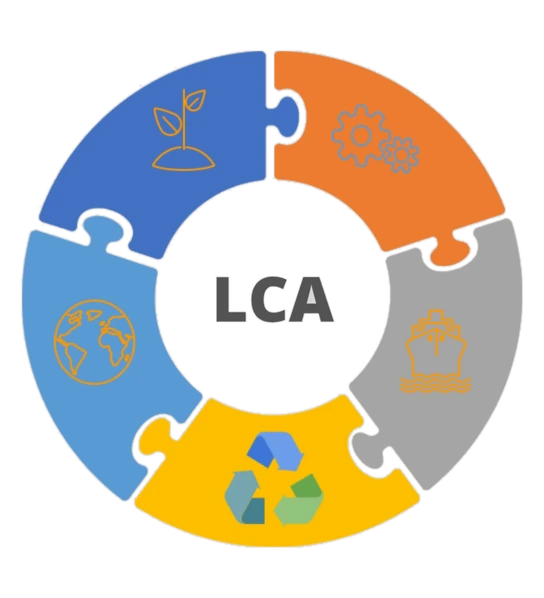
Fuel sustainability concerns the assessment of biofuel production processes. The tool of fuel production sustainability assessment tool is the Life Cycle Analysis (LCA), and it could be applied to all stages of production.
Fuel Production
Conversion of the feedstock into fuel, including the energy and chemicals used.
Biomass Cultivation
Growth, harvesting and collection of the biomass used as biofuel feedstock.
Raw Material Extraction
Extraction and supply of the raw materials and resources entering the system.
Recycling & End of Life
Recycling, reuse or disposal of products and wastes at the end of the chain.
Fuel Use
Combustion of the fuel in engines and the related emissions to the atmosphere.
Transport & Distribution
Transport of the feedstocks and delivery of the final fuel to the end users.

ISO 14040 / 14044
LCA Methodology

Goal & Scope
Definition of the purpose, the system boundaries and the functional unit of the study.

Inventory Analysis
Collection of the energy, material and emission flows of every life cycle stage.
Impact Assessment
Translation of the inventory data into potential environmental impacts.

Interpretation
Evaluation of the results, conclusions and recommendations for improvement.
Watch the Video