Working: 08:00 - 17:00

Hybrid Fuels
Research
Hybrid Fuels
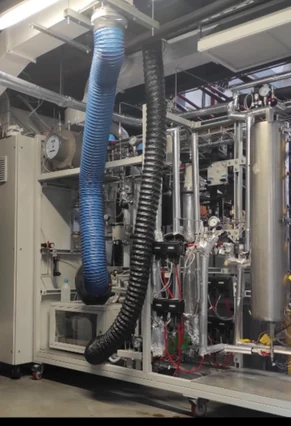
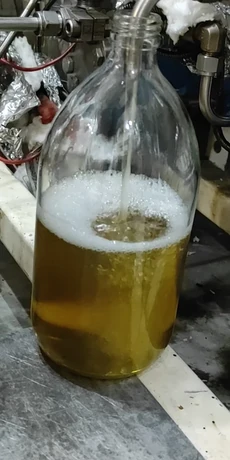
The hybrid fuels production is achieved through catalytic co-hydroprocess of conventional petroleum fractions with liquid residual biomass. The main advantage of hybrid fuels is the biomass integration into fuels production which are characterized more environmentally friendly to the environment.

Conventional Petroleum Fractions
Refinery streams, such as straight run gas oil and light cycle oil, form the fossil part of the feed.

Liquid Residual Biomass
Residual streams, such as waste cooking oil and bio-oil, are co-fed and upgraded together in one catalytic step.
Feedstocks
What We Co-process
Conventional Petroleum Fractions


Liquid Residual Biomass


Hybrid Fuels
Advantages
Why Hybrid Fuels

Existing Refinery Units
Co-hydroprocessing takes place in existing refinery units, with no need for new dedicated plants.

Lower Environmental Impact
Part of the fossil feedstock is replaced by residual biomass, reducing the carbon footprint of the produced fuels.

Ready-to-Use Fuels
The products are hydrocarbon fuels compatible with existing engines and fuel distribution networks.